
Confidence Onumabor
Contributor
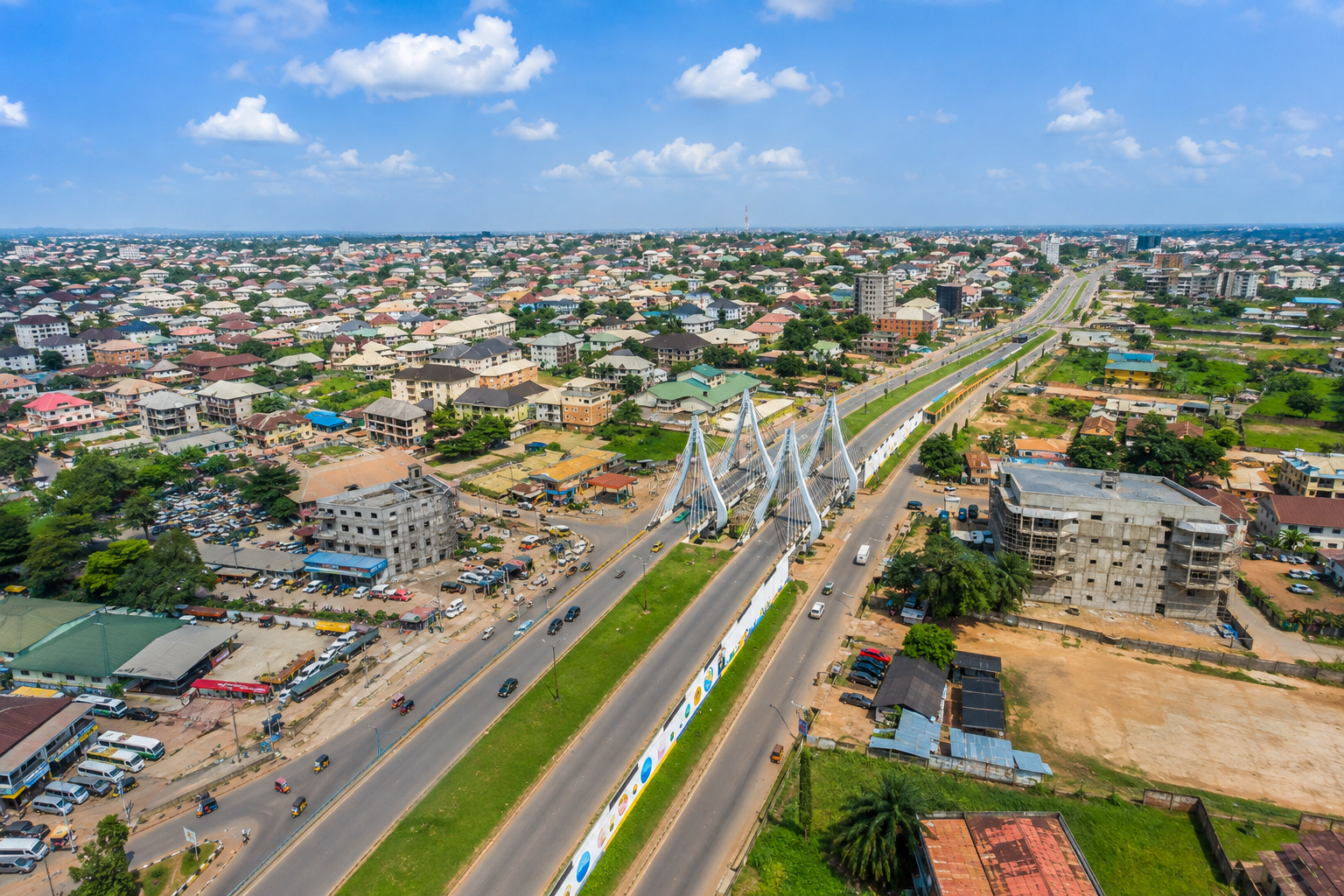
Anambra is one of Nigeria's most dynamic states. It carries the commercial energy of Onitsha's markets, the administrative rhythm of Awka, the industrial strength of Nnewi, and the green, fertile stretch of land across areas such as Ayamelum and Anambra East, where agriculture remains central to the local economy. Drive through the state and you will see all of this in one journey — commerce, governance, industry, and agriculture, existing side by side in a state with a remarkably diverse economic landscape.
That diversity is exactly what makes Anambra such a compelling place to invest in land. Whether you are a first-time buyer looking for somewhere to eventually build, a diaspora investor looking to establish a stake in Nigeria, a seasoned investor scanning the country for the next high-growth corridor, or a developer looking for your next project site, Anambra offers a wide range of opportunities, each suited to different investment goals.
This guide examines the best areas to buy land in Anambra in 2026, what is driving interest in each location, the type of buyer each area is best suited to, and the key risks and considerations to understand before you commit your money.
Why Buy Land in Anambra State
Anambra's investment case rests on a combination that makes the state particularly interesting for land buyers: a strong commercial and industrial base, established urban centres, expanding infrastructure, and significant development activity across different parts of the state. The state's current development agenda places substantial emphasis on infrastructure and urban development, with the Anambra State Government's 2026 budget and development programme highlighting continued investment in infrastructure as part of its broader development strategy.
But Anambra is not one uniform property market. Awka, Onitsha, Nnewi, and the emerging corridors around them have different economic characteristics, levels of development, and land-use patterns. The Anambra State Ministry of Lands' current fee schedule itself reflects this distinction, with separate classifications and rates for Awka and its environs, Onitsha and its environs, and Nnewi and its environs. That variation is one reason location matters so much when evaluating land in the state.
The state is also seeing continued activity beyond its traditional urban centres. The Ministry of Lands maintains an official list of approved and unapproved layouts and estates in Anambra, which illustrates the extent to which new residential and estate developments are emerging across different local government areas. For a buyer, that creates a wider range of opportunities, but it also makes proper location and documentation checks essential.
We've laid out the broader investment case in detail elsewhere — read: 5 Reasons to Invest in Anambra Real Estate Right Now →
What this article does differently is go one level deeper: not just why Anambra, but where in Anambra — because the state is large, its property markets are very different from one another, and the right location ultimately depends on what you want your land to achieve.
Best Areas to Buy Land in Anambra
Awka — The Administrative and Urban Centre
Awka, the state capital, is the administrative heart of Anambra and one of the state's most established urban property markets. It is home to the state government, ministries and agencies, while Nnamdi Azikiwe University (UNIZIK) adds a significant educational and student population to the city's wider economy. The combination of government, education, commerce, and residential development gives Awka a diverse demand base rather than one that depends on a single economic activity.
What makes it attractive: Awka benefits from its status as the state capital, with residential demand supported by government workers, professionals, students, and businesses serving the city's institutional and commercial population. Development is also extending beyond the traditional city centre into surrounding communities and emerging residential corridors. , creating opportunities for buyers who are willing to look beyond the most established parts of the city.
Who it suits: Awka is particularly suited to residential buyers, investors interested in rental property, professionals who want proximity to government and institutional activity, and buyers looking for a location with an established urban market rather than a purely speculative development corridor.
Price range: As of August 2026, current residential land listings across the broader Awka market range from roughly ₦2.5 million to ₦40 million or more per plot, depending heavily on location, plot size, title, infrastructure, and proximity to established parts of the city. Current listings include plots around ₦2.5 million in Urum and ₦4 million in Mgbakwu, while properties in more established locations such as Agu-Awka and Aguaba GRA are listed at ₦30 million and ₦40 million per plot respectively.
Onitsha — The Commercial Powerhouse
Onitsha is one of Anambra's most important commercial centres, built around trade, transport, manufacturing, and the movement of goods across the River Niger. The city is home to the Onitsha Main Market, widely described as the largest commercial market in West Africa, and its position directly opposite Asaba gives it an important role in cross-river trade between Anambra and Delta State.
But Onitsha is not a single investment story. Different parts of the city serve very different purposes, and the right location depends heavily on what you intend to do with the property. A recent breakdown of the Onitsha property market identifies GRA, Trans Nkisi, and Omagba as stronger residential and family-oriented locations, while Fegge, Odoakpu, and parts of Port Harcourt Road are more closely associated with rental demand and commercial activity. Main Market, Bridgehead, Ochanja, and Upper Iweka are predominantly commercial environments, making them better suited to buyers interested in shops, warehouses, offices, transport, and other trade-related property. Further out, areas such as Awada, Obosi, Nkpor, Ogidi, and Nkwelle-Ezunaka give buyers more options to balance access to Onitsha with residential space and, in some locations, lower entry prices.
Who it suits: Commercial investors, rental-property landlords, business owners, and buyers who want exposure to an established market driven by trade and transport. It can also work well for families and returnees, provided they choose a residential area rather than buying solely on the strength of Onitsha's commercial reputation.
Price range: Current asking prices vary substantially by location, plot size, title, road frontage, and intended use. As of August 2026, current listings include residential plots priced at around ₦45 million in Awada and ₦80 million in Awada Obosi, while other locations and less established corridors can be considerably lower.
Nnewi — Nigeria's Industrial and Manufacturing Hub
Nnewi has built a reputation as one of Nigeria's most important indigenous industrial centres, with a particularly strong concentration of automotive manufacturing, spare-parts trading, engineering, and other locally driven businesses. The Anambra State Government identifies Nnewi as a major industrial centre, with automotive manufacturing and vehicle assembly forming an important part of its industrial base.
What makes it attractive: Nnewi's property market benefits from an established industrial and commercial economy rather than relying entirely on future development. The city's concentration of manufacturers, traders, businesses, and workers creates demand for both residential and commercial property. At the same time, the state government has been pursuing renewed investment in Nnewi's industrial infrastructure and urban development, creating further potential for growth around established and emerging parts of the city.
Who it suits: Nnewi is particularly suited to investors interested in commercial or mixed-use property, buyers targeting residential demand generated by the city's industrial economy, and long-term investors who want exposure to an established economic centre with further room for expansion.
Price range: Land in Nnewi currently ranges from around ₦5 million to ₦15 million+ per plot, depending on the location, title, infrastructure, road access, and proximity to established commercial and residential areas.
Igbariam, Amansea, and the Awka North University Corridor
This corridor — running through Igbariam, Amansea, and neighbouring communities such as Ukwulu and Enugu-Agidi — has become an increasingly active land-banking zone, supported by the expansion of Awka, nearby universities and institutions, improving road connectivity, and growing residential development.
What makes it attractive: The presence of Chukwuemeka Odumegwu Ojukwu University's Igbariam campus and the corridor's proximity to UNIZIK in Awka provide important institutional anchors, while Amansea's position along the Enugu-Onitsha Expressway gives the area strong accessibility. The wider Igbariam area also has agricultural and commercial activity, including large-scale farming and rice processing, giving the corridor an economic base beyond residential development.
Who it suits: Land bankers, buyers targeting future residential or rental demand around the university and Awka expansion corridor, and investors comfortable with a longer growth horizon in exchange for lower entry prices than more established parts of Awka.
Price range: Land in this corridor currently ranges from around ₦4.5 million to ₦7 million per plot, depending on the estate, plot size, title, infrastructure, and exact location. Premium estates and strategically positioned plots can command higher prices.
Ifite-Ogwari, Ayamelum LGA — The Agricultural and Emerging Residential Frontier
Ifite-Ogwari sits within Ayamelum Local Government Area, one of Anambra's important agricultural zones, and is increasingly drawing attention as both an agricultural and emerging residential investment location.
What makes it attractive: The wider Ayamelum area has a significant agricultural base, supported by irrigation infrastructure and large-scale commercial farming. Coscharis Farms, for example, operates a large-scale rice farming and processing project in nearby Anaku, while the wider area continues to attract investment in rice cultivation and processing. This combination of established agricultural activity and emerging residential development gives the area a dual investment identity — land here can serve agricultural, land-banking, or residential purposes depending on the buyer's goals.
Who it suits: Buyers interested in agricultural land use, long-term land banking, and investors looking to enter an emerging market at a lower price point than Anambra's more established urban centres.
Ifite-Ogwari offers something different from Awka, Onitsha, and Nnewi. It is an earlier-stage market where buyers can acquire land before the area reaches the price levels associated with more established parts of the state. The combination of agricultural activity, infrastructure, and gradual residential development makes it a location worth watching for buyers willing to take a longer-term view.
This is also where our City of Eden development is located, giving buyers an opportunity to participate directly in the area's residential and agricultural potential. View City of Eden and our current listings →
Price range: Current listings in Ifite-Ogwari range from roughly ₦350,000 to ₦1 million per plot, with pricing varying according to the exact location, land use, title, and proximity to the UNIZIK Faculty of Agriculture and other infrastructure.
Nkwelle-Ezunaka, the Oyi Corridor, and the Airport Axis
The Oyi corridor — particularly Nkwelle-Ezunaka and the areas extending towards Anambra East — is worth watching for buyers thinking beyond Anambra's established urban centres. Its appeal comes from a combination of growing residential development, access to Onitsha and the wider Oyi axis, and proximity to the Chinua Achebe International Airport in Umueri.
What makes it attractive: The Chinua Achebe International Airport in Umueri provides an important infrastructure anchor for the wider area, supporting both passenger and cargo operations. Nkwelle-Ezunaka has also seen significant residential and estate development, with its location providing access to Onitsha, the Onitsha–Awka corridor, and surrounding communities.
Who it suits: Patient land bankers, residential investors, and buyers interested in the longer-term potential of the Onitsha–Oyi–airport corridor. It can also appeal to buyers considering future commercial or logistics opportunities around established transport infrastructure.
Price range: Current listings in Nkwelle-Ezunaka put land at roughly ₦4 million–₦6 million per plot, depending on the exact location, plot size, title, and estate infrastructure.
How to Evaluate Any Area in Anambra
The areas above give you a starting point, but choosing the right location ultimately comes down to understanding what is driving development there. Whether you are considering one of the locations in this guide or somewhere else in Anambra, these are the factors worth examining before you buy:
- Government and institutional activity — Is there a university, government office, hospital, or major public project nearby? These anchors can create sustained demand for housing, commercial property, and services.
- Infrastructure and road access — Look at the quality of existing roads, access to major corridors such as the Enugu–Onitsha Expressway, and basic infrastructure such as drainage and electricity. These factors affect both how practical the property is to use and how attractive it may be to future buyers.
- Population and development trends — Look beyond what the area looks like today. Are new estates, businesses, schools, and other developments appearing? Is the population growing? An area experiencing genuine development is generally a more interesting investment prospect than one that has remained stagnant for years.
- Security — Security affects everything from your ability to develop and occupy the property to the pool of buyers or tenants you can attract later. It should be part of your assessment before you commit.
- Land tenure clarity — Some areas have more complex family or community ownership structures than others. Understanding who owns the land, how the title is held, and whether there are competing claims is essential before paying for any property.
These factors matter wherever you are buying, and they form part of the wider due-diligence process explained in our step-by-step guide to buying land safely in Nigeria.
And if you want to understand how Anambra compares with other locations attracting attention from property investors, see our guide to the top emerging real estate markets in Nigeria for 2026.
Tips Before You Buy Land in Anambra
- Do your research and due diligence thoroughly. Every area in this guide has genuine strengths, but strength at the LGA level does not guarantee that every plot within it is clean. Research the specific community, street, and estate rather than relying only on the reputation of the wider area.
- Verify the seller and the title. Confirm who you are actually dealing with and whether they have the legal right to sell the property. This is particularly important where land is held by families or communities, as is common in parts of Anambra.
- Confirm that the land is free from disputes and encumbrances. An official search at the Anambra State Ministry of Lands is an essential part of proper due diligence. It can help establish the property's ownership history, registration status, and whether there are competing claims or other issues affecting the land. The Ministry also publishes information on approved, pending, and unapproved layouts, as well as notices relating to specific land disputes and fraudulent activities. Check the Anambra State Ministry of Lands' latest notices before you commit to a property.
- Consider both future development and your own plans. Don't buy simply for the sake of owning land. Think about what you intend to do with the property and what is likely to happen around it. In emerging areas such as Ifite-Ogwari and parts of the Igbariam corridor, land may also have agricultural potential where the location and permitted use make that appropriate, allowing some buyers to put the land to productive use while they work towards longer-term development plans.
- Involve a lawyer at every stage. From reviewing the seller's documents and conducting due diligence to drafting and registering your Deed of Assignment, independent legal counsel can help identify problems before they become expensive ones.
- Inspect the property physically. No area's reputation, however strong, substitutes for seeing the actual plot. Visit the property yourself or have a trusted representative inspect it on your behalf, and confirm that what you are shown on the ground corresponds with the documents you have been given.
Risks to Watch For Before You Buy in Anambra
- Family and community disputes. Land ownership across much of Anambra remains closely connected to family and community structures. A seller may appear to have the right to sell while other family members or community interests still have a claim over the property. This is why confirming the seller's authority and conducting proper legal and title checks is particularly important when buying family or community land.
- Government-designated land being sold as private property. This is not a hypothetical risk. The Anambra State Ministry of Lands has issued public warnings about attempts to sell government-owned land as private property. The Ministry has, for example, warned about unauthorised attempts to sell portions of the government-owned Igbariam Farm Settlement, as well as land at Ogboji that remains government property despite claims by individuals attempting to sell it. These examples reinforce a simple rule: never assume that land being offered for sale is privately owned simply because someone has documents for it. Verify its status with the Ministry before paying.
- Flood-prone and low-lying areas. Parts of Anambra, particularly along river corridors and low-lying areas, are exposed to seasonal flooding. This can affect access to the property, construction plans, agricultural use, and the practicality of holding or developing the land. If you are considering property near the Niger or Anambra River systems, investigate the area's flood history and physical elevation before committing.
These risks are part of the wider land-fraud and due-diligence issues that every Nigerian property buyer should understand. For a broader look at how land scams operate and how to protect yourself, read our guide on How to Avoid Land Scams in Nigeria.
Conclusion
Anambra offers something genuinely rare in the Nigerian real estate landscape: a state where government administration, commerce, industry, and agriculture all carry real, independent momentum. That gives buyers and investors multiple ways to participate in the same market — from rental property near a university, to commercial investment in Onitsha, industrial-adjacent opportunities in Nnewi, and early-stage land banking in emerging corridors like Ifite-Ogwari.
What matters most, wherever you choose to buy, is doing it properly — with verified title, confirmed government approval, and a trustworthy process from start to finish.
If you're ready to explore land in Anambra with those fundamentals already taken care of, start with our current verified listings. View Our Available Properties →